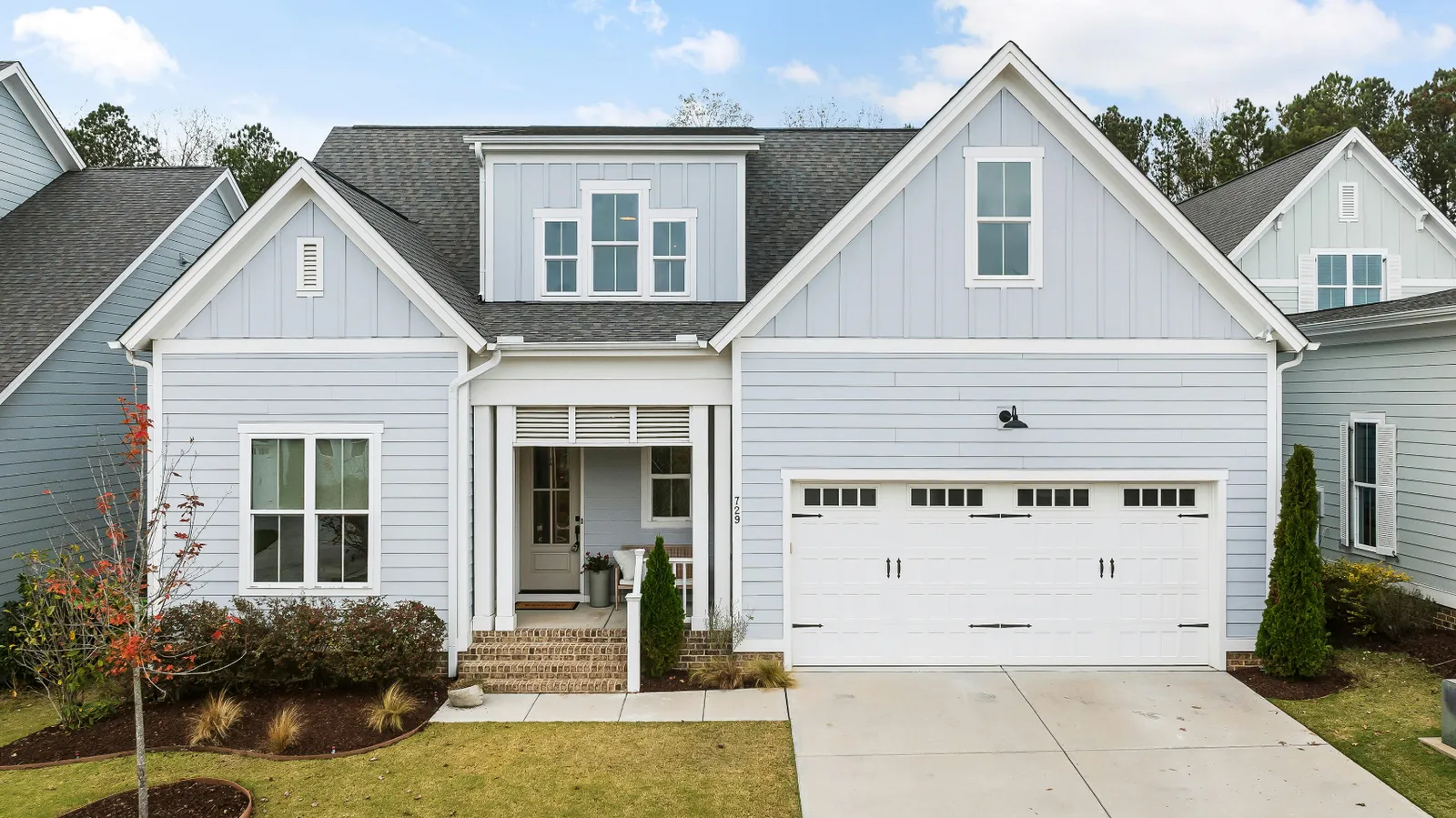
A big share of Tulsa's most-loved streets went up generations ago: bungalows in Midtown, mid-century moderns in Lortondale, brick foursquares around Swan Lake. Houses that age have proven they can last. Their roofs, though, tend to carry a few habits that catch owners off guard, usually at the worst possible time.
The roof on an older Tulsa home is rarely its first
A house from the 1930s or the 1950s has been reroofed more than once, and each generation made different choices. Some of those choices, like laying new shingles straight over the old ones, were common practice for decades. An overlay saved money at the time, but it traps heat, hides decking problems, and shortens the life of the shingles on top.
You often cannot tell from the street how many layers are up there. A roofer checks the edge line and the attic side of the decking, and that answer changes everything about the next roof, because stacked layers usually mean a full tear-off. It is a bigger job, and the cost guide shows how tear-off figures into a Tulsa replacement price.
Flashing and ventilation give out first
On older roofs, the shingles usually are not the weakest point. The metal flashing around chimneys and valleys may date back further than the shingles themselves, and old sealant dries, cracks, and lets water in at exactly the spots a driveway glance cannot see. Most of the repair calls on older Tulsa homes trace back to these details rather than to the shingle field.
Attic ventilation is the other quiet one. Many older homes were built with less intake and exhaust than a modern roof system expects, and a starved attic cooks shingles from underneath through an Oklahoma summer. A roofer who checks the attic, not just the roof surface, catches both problems early, and the fix is often modest when it is caught in time.
Hail does not care how charming the street is
Tulsa County's storm record spares no era of construction, and an older roof takes the same hits as a new one with less margin. Shingles near the end of their life lose granules faster after hail, and a storm that a five-year-old roof shrugs off can push a thirty-year-old roof over the edge.
After a serious storm crosses the older parts of town, it is worth a free look even if nothing seems wrong. If the damage is real, the claim process can turn what looked like an early replacement bill into a covered loss, and in Oklahoma the window to file generally runs one year from the storm.
The honest math on a roof past twenty
Age alone does not condemn a roof. Plenty of older Tulsa homes carry roofs with real years left, and a repair is often the right call when the trouble sits in one spot. The math shifts once leaks show up in more than one room, granules pile in the gutters, or the roof is carrying multiple layers.
The way through is not guesswork. A free inspection with photos gives you the roof's actual condition, a straight repair-or-replace read, and time to plan the bigger job on your schedule instead of the weather's.